House Inspections: Recommended Checks When Buying
Though there are different types of home inspections when buying a house, a full home inspection (often referred to as a ‘buyers inspection’) is the most common type of inspection in this situation and is typically a standard procedure in the home buying process. A licensed home inspector will assess the overall condition of the property, examining key components such as the roof, foundation, plumbing, electrical systems, and more. This type of inspection is crucial because it provides an overview of the home’s condition and highlights areas that may require further investigation or immediate attention. The inspector will identify any potential issues and provide a detailed report with photos, which can be used as a tool for negotiating repairs or price adjustments with the seller.
What Does Full Home Inspection Include?
During a full home inspection, the inspector will evaluate the following:
- Roof and Attic: Checking for leaks, proper ventilation, and signs of damage. The roof is one of the most critical components of a home, and issues here can lead to significant damage elsewhere if left unaddressed. A thorough inspection will also look at the attic’s insulation, which can affect the home’s energy efficiency.
- Foundation and Structure: Assessing for cracks, settling, or other structural concerns. The foundation supports the entire house, and any issues can compromise the building’s integrity. Inspectors will look for signs of water intrusion and other factors that could indicate problems.
- Plumbing: Inspecting pipes, water heaters, and fixtures for leaks or damage. Plumbing issues can lead to water damage and mold, so it’s essential to identify any problems early. Inspectors will also check the water pressure and the condition of pipes to ensure they meet current standards.
- Electrical Systems: Ensuring wiring, outlets, and electrical panels are safe and up to code. Faulty electrical systems can pose significant safety risks, including fire hazards. An inspection will help ensure that the electrical setup is safe and adequate for the home’s demands.
- HVAC Systems: Evaluating heating and cooling systems for functionality and efficiency. The HVAC system is essential for maintaining a comfortable living environment. An inspection will determine if the systems are operating efficiently or if they require maintenance or replacement.
Specialized Inspections
If you’re wondering what home inspections should I get?, starting with a full home inspection is a good idea. While a full home inspection covers a wide range of areas, certain aspects of the property may require specialized inspections. These inspections focus on specific issues or concerns that may not be fully addressed in a general inspection. Let’s delve into these additional inspections that can provide more in-depth insights, ensuring that no stone is left unturned in evaluating the property’s condition.
Termite and Pest Inspection
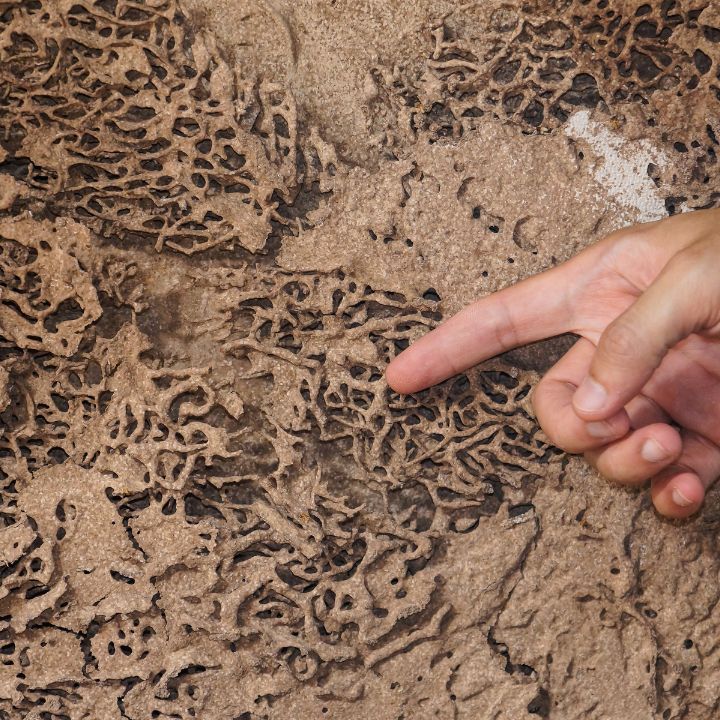
Termites and other pests can cause significant damage to a home. A termite and pest inspection is essential to ensure the property is free from infestations. The inspector will check for signs of termite activity, such as mud tubes and wood damage, and may recommend treatment if necessary. This inspection is particularly important in areas prone to termite activity, as these pests can compromise the structural integrity of a home. Early detection and treatment can prevent extensive damage and costly repairs.
Radon Inspection
Radon is a colorless, odorless gas that can pose serious health risks if present at high levels. A radon inspection involves testing the air quality in the home to determine radon levels. If elevated levels are detected, mitigation systems can be installed to reduce radon exposure. Radon is naturally occurring and can seep into homes through foundations, so testing is crucial, particularly in areas known for high radon levels. Installing a radon mitigation system is a proactive step to ensure a safe living environment.
Mold Inspection
Mold can cause health issues and damage to a property’s structure. A mold inspection involves checking for visible signs of mold and using specialized equipment to detect mold spores in the air. If mold is found, remediation may be necessary to ensure a safe living environment. Mold thrives in damp, humid environments like Florida, and its presence can indicate underlying moisture problems. Addressing mold issues promptly can protect both your health and the home’s structural integrity.
Additional Inspections
Many homebuyers wonder what kind of inspections are done when buying a house? and while it is up to the buyer which inspections they want to have done, depending on the age, location, and condition of the property, you might consider additional inspections. These inspections address specific concerns that may not be relevant to all properties but can be crucial for some. Here are a few more types of inspections that could be beneficial, ensuring a comprehensive evaluation of the home.
Sewer and Septic Inspection
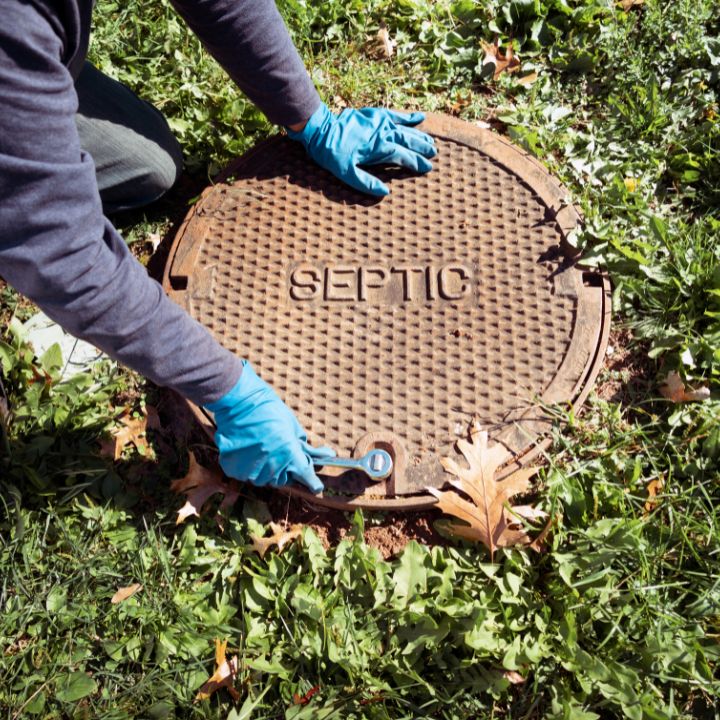
Homes with septic systems or older plumbing may benefit from a sewer and septic inspection. This inspection includes checking the septic tank, drain field, and sewer lines for blockages, leaks, or other issues that could lead to costly repairs. Older homes, in particular, may have outdated systems that require attention to prevent failures. Regular inspections can help maintain these systems and avoid unexpected expenses.
Chimney Inspection
If the home has a fireplace, a chimney inspection is advisable. The inspector will evaluate the chimney’s structure, flue, and lining to ensure safe operation and identify any needed repairs. Chimneys can accumulate creosote and other debris, posing fire hazards if not properly maintained. A chimney inspection ensures that the fireplace is safe to use and that any structural issues are addressed.
Asbestos Inspection
In older homes, asbestos may be present in insulation, flooring, or other materials. An asbestos inspection will identify the presence of asbestos and provide recommendations for safe removal if necessary. Asbestos was commonly used in building materials but is now known to pose significant health risks. Identifying and managing asbestos is essential for the safety of the home’s occupants.
The Importance of Home Inspections
Home inspections are a vital part of the home buying process. They provide valuable information about the property’s condition and can help you make informed decisions. Here are a few reasons why these types of house inspections are important:
- Identify Potential Issues: Inspections reveal problems that may not be visible during a casual viewing of the property. This allows buyers to understand the true condition of the home and anticipate future maintenance needs.
- Negotiate Repairs: Inspection reports can be used to negotiate repairs or price reductions with the seller. This can lead to significant savings and ensure that necessary repairs are addressed before closing the deal.
- Ensure Safety: Inspections identify safety hazards, such as faulty wiring or structural issues, that need immediate attention. Addressing these issues promptly can protect the health and safety of the home’s occupants.
- Plan for Future Maintenance: Understanding the condition of the home helps you plan for future repairs and maintenance. This foresight can aid in budgeting and ensure that the home remains in good condition over time.

Conclusion
When buying a house, conducting thorough inspections is crucial to ensure you’re making a wise investment. From general home inspections to specialized evaluations, understanding what inspections are needed when buying a house can protect you from unforeseen problems. By being proactive and informed, you can confidently navigate the home buying process and secure a property that meets your needs and expectations.
Remember, getting various types of inspections when buying a house may come with an upfront cost, but they can save you thousands in the long run by uncovering hidden issues before they become major problems. You can also use these inspection reports as a tool to negotiate with the seller. Always hire qualified professionals for each inspection to ensure comprehensive and accurate results. Happy house hunting! By investing in proper inspections, you not only protect your financial interests but also ensure the safety and longevity of your future home.